
Traveller’s Tummy · From ฿3,900
Food Poisoning IV Drip on Koh Phangan (Traveller’s Tummy)
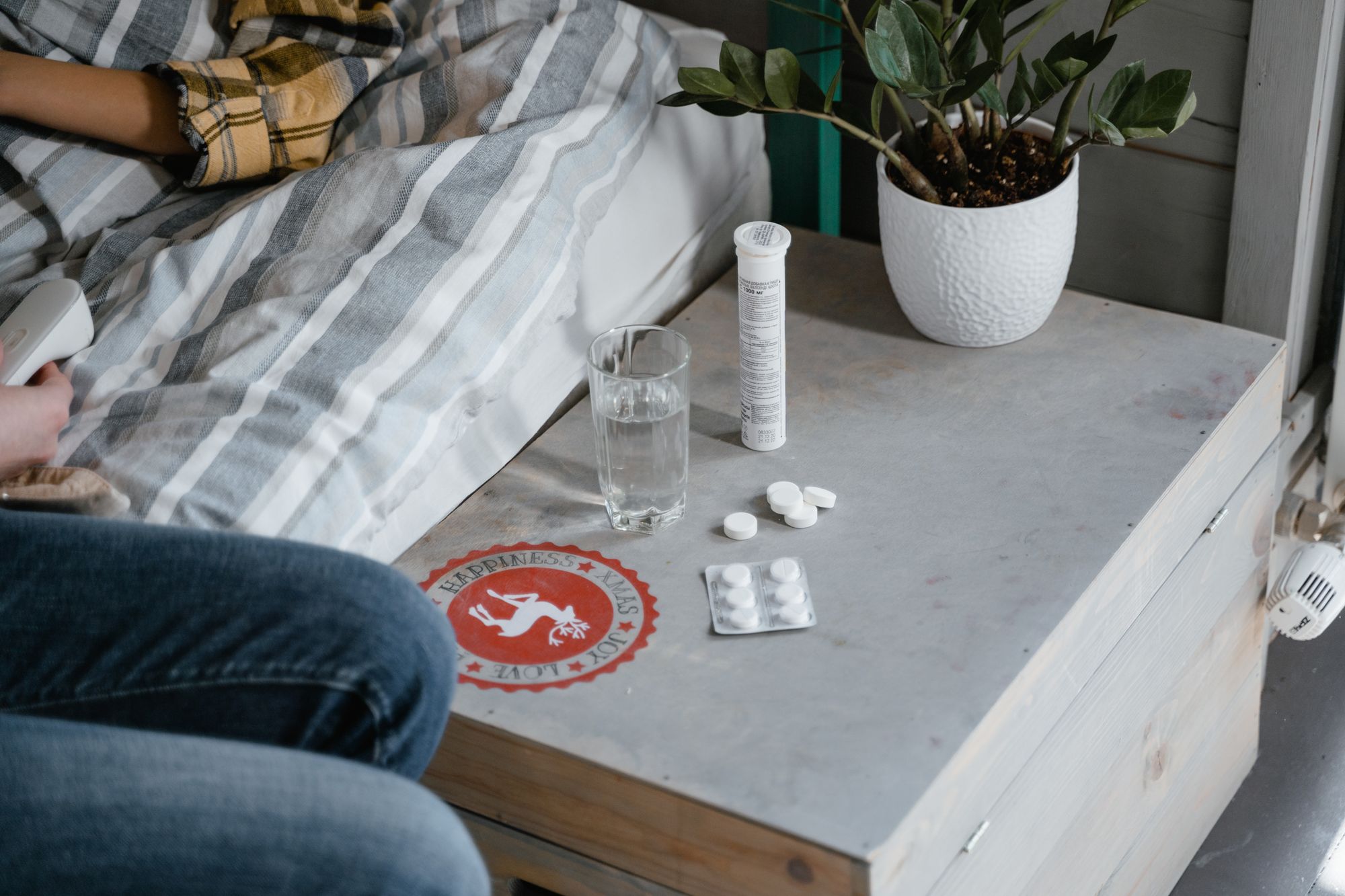
Can’t keep water down? A licensed nurse brings an IV drip for food poisoning on Koh Phangan to your room, so you can rehydrate without leaving bed.
Food poisoning is a common holiday problem in Thailand. Most cases pass in a day or two, but vomiting and diarrhoea drain fluids fast. Our Traveller’s Tummy drip is an IV drip for food poisoning on Koh Phangan, brought by a licensed nurse to your villa, hotel or bungalow when you can’t keep enough fluid down to recover on your own.
At a glance
- Price: from ฿3,900, including the nurse’s visit and all equipment
- Drip time: about 60 minutes
- Contents: 1L electrolyte fluids, anti-nausea medicine and stomach protection, the medicines only if suitable
- Where: anywhere on Koh Phangan, every day 8:00–22:00
- Receipt: provided for your travel insurance claim
When an IV drip for food poisoning on Koh Phangan helps
Mild traveller’s tummy usually settles with rest and oral rehydration salts. A drip makes sense when sipping isn’t working: you vomit everything back up, you’ve had diarrhoea many times, or you feel weak and light-headed.

Fluids into a vein rehydrate you faster than drinking when your stomach won’t cooperate. Many people feel steadier within a few hours, which makes it easier to start drinking and eating again.
Signs you’re getting dehydrated
Watch for dark yellow urine or going to the toilet much less than usual, a dry mouth, strong thirst, headache, tiredness and feeling dizzy when you stand up. If these are building despite sipping fluids, it’s a good time to call us. If they become severe, see the red flags below.
What’s in the Traveller’s Tummy drip
- 1 litre of electrolyte fluids. Water with salts such as sodium and potassium, replacing what you lose through vomiting and diarrhoea. This is the core of the treatment.
- Anti-nausea medicine. To help stop the vomiting, given only if the nurse’s check shows it’s suitable for you.
- Stomach protection. A medicine that helps protect an irritated stomach, also given only if suitable.
We never give medicines by default. The nurse decides after checking you, and the fluids alone may be the right choice.
What to expect
Message us on WhatsApp or call with your location and your symptoms. We’ll ask some quick health questions, including how long you’ve been ill and whether you have fever or blood in your stool. That helps us judge whether a drip is right or whether you need a hospital.

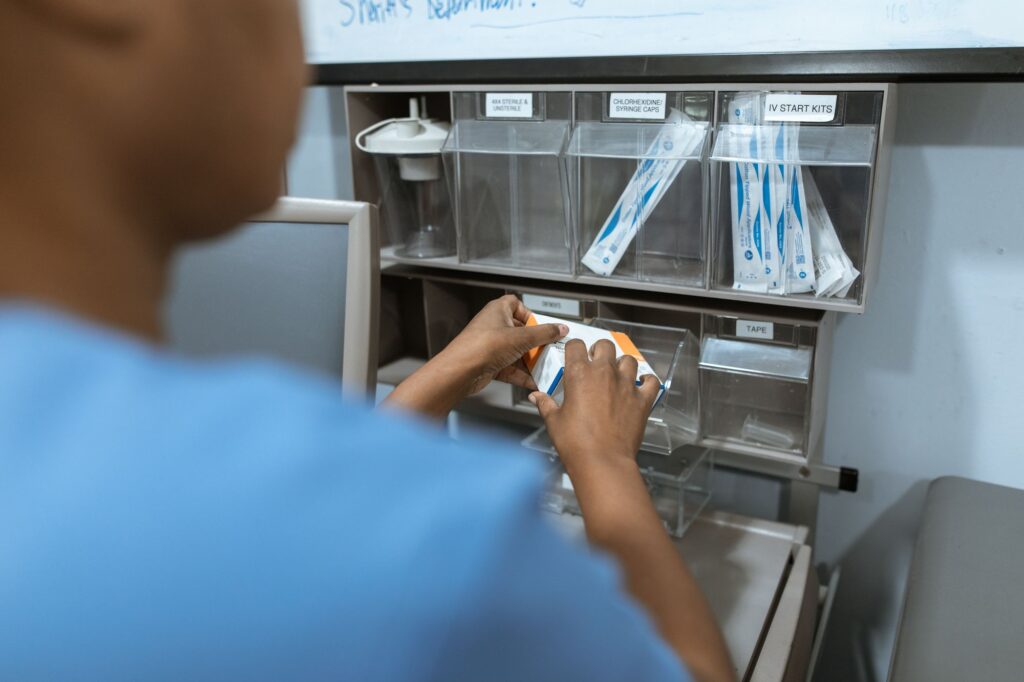
The nurse usually arrives in about 45 minutes. They check your blood pressure and heart rate, place a small cannula and stay with you for the whole drip. Then they remove it and take all waste away. All equipment is sterile and single-use.
Afterwards you’ll get a receipt for your travel insurance claim. Whether your insurer pays depends on your policy, so please check with them, or read does travel insurance cover an IV drip? For questions before booking, see our contact page.
Who shouldn’t have this drip at home
Tell us when you book if you’re pregnant or breastfeeding, have heart or kidney disease, or are under 18. The nurse may refer you to a doctor instead. Older people and anyone with long-term health conditions can become seriously dehydrated quickly, so a doctor’s check is often the safer first step.
Red flags: when food poisoning needs a hospital
A home drip is for straightforward cases. Don’t wait for a nurse if you or someone with you has any of these signs:
When to go to hospital instead
- Blood in your stool, or vomiting blood
- A high fever
- Severe or constant tummy pain
- You can’t keep any fluids down for 24 hours
- Signs of severe dehydration: very little or no urine, dizziness when you stand, a racing heart, or confusion
- Pregnancy, a young child or an elderly person who is unwell
- Chest pain, trouble breathing, a seizure or someone who won’t respond
In an emergency in Thailand, call 1669.
Looking after yourself with traveller’s tummy
For symptoms, what to eat and what to buy at the pharmacy, see our full guide to food poisoning in Thailand: what to do.
- Sip oral rehydration salts from a pharmacy, mixed exactly as the pack says.
- Take small, frequent sips rather than big drinks.
- When you can eat, start with plain food such as rice soup, toast or bananas.
- Avoid alcohol, coffee and spicy or oily food until you feel better.
- Wash your hands well, and ask a pharmacist before taking anything for diarrhoea, especially with fever or blood in your stool.
Once the worst has passed but you still feel drained, our lighter hydration IV drip may be enough. You can compare every option on our IV drip treatments page.
Keep reading
You might also need
Hydration IV drip
A lighter drip once the worst of the bug has passed.
Hangover IV drip
Fluids, vitamins and anti-nausea for the morning after.
How it works
From your WhatsApp message to the nurse at your door.
Questions
Frequently asked questions
How much is the food poisoning IV drip?
Our Traveller’s Tummy drip starts from ฿3,900, including the nurse’s visit and all equipment. You can pay in cash (THB), by Thai bank transfer or PromptPay, or by card.
Can I claim the drip on my travel insurance?
We can give you a receipt to send to your insurer. Whether they pay depends on your policy, so check your cover with them before you book if that matters to you.
Will the nurse give me anti-nausea medicine?
Only if the nurse’s health check shows it’s suitable for you. The fluids are the main part of the treatment, and medicines are added only when it’s safe.
How quickly can a nurse get to me?
Usually in about 45 minutes, sometimes 30–60 depending on where you’re staying and how busy we are. We cover all of Koh Phangan, every day from 8:00 to 22:00.
Can you treat my child?
Our drips aren’t for anyone under 18 without a doctor’s advice. Young children get dehydrated quickly, so if your child has vomiting or diarrhoea, see a doctor or go to hospital.
Feeling rough? We’ll come to you.
Send us your location and we’ll have a nurse on the way.