
Safety guide · IV therapy
Is an IV Drip Safe in Thailand? What to Check Before You Book
An honest, nurse-led answer: when an IV drip is generally safe, the side effects to expect, who should check with a doctor first, and how to choose a provider in Thailand.
Is an IV drip safe? For most healthy adults, it is generally safe when a qualified nurse or doctor gives it after a proper health check, using sterile, single-use equipment. It is still a medical procedure, though, so it is not risk-free, and it is not the right choice for everyone.
This guide explains what usually happens, the side effects you might notice, the rarer risks, who should speak to a doctor first, and what to look for when you choose any IV drip provider in Thailand, whether that is us or someone else.
Is an IV drip safe? The short answer
An IV drip puts fluids, and sometimes vitamins or medicines, straight into a vein through a thin, soft tube called a cannula. Hospitals use drips every day. The things that keep it safe are the same wherever you are:

- A qualified person places the cannula and runs the drip
- Health questions first, so problems are spotted before anything starts
- Sterile, single-use equipment, opened in front of you
- Medicine-grade products registered for injection
- Someone stays with you for the whole drip and knows what to do if you feel unwell
When any of these is missing, the risk goes up. That is why the checklist further down matters more than any brand name.
How we keep each visit safe
Our drips are given by licensed nurses at your villa, hotel, bungalow or condo. We are a mobile service, not a hospital or a doctor’s clinic, so part of the nurse’s job is knowing when a drip isn’t the right answer.
- When you message us, we ask how you feel and a few quick health questions.
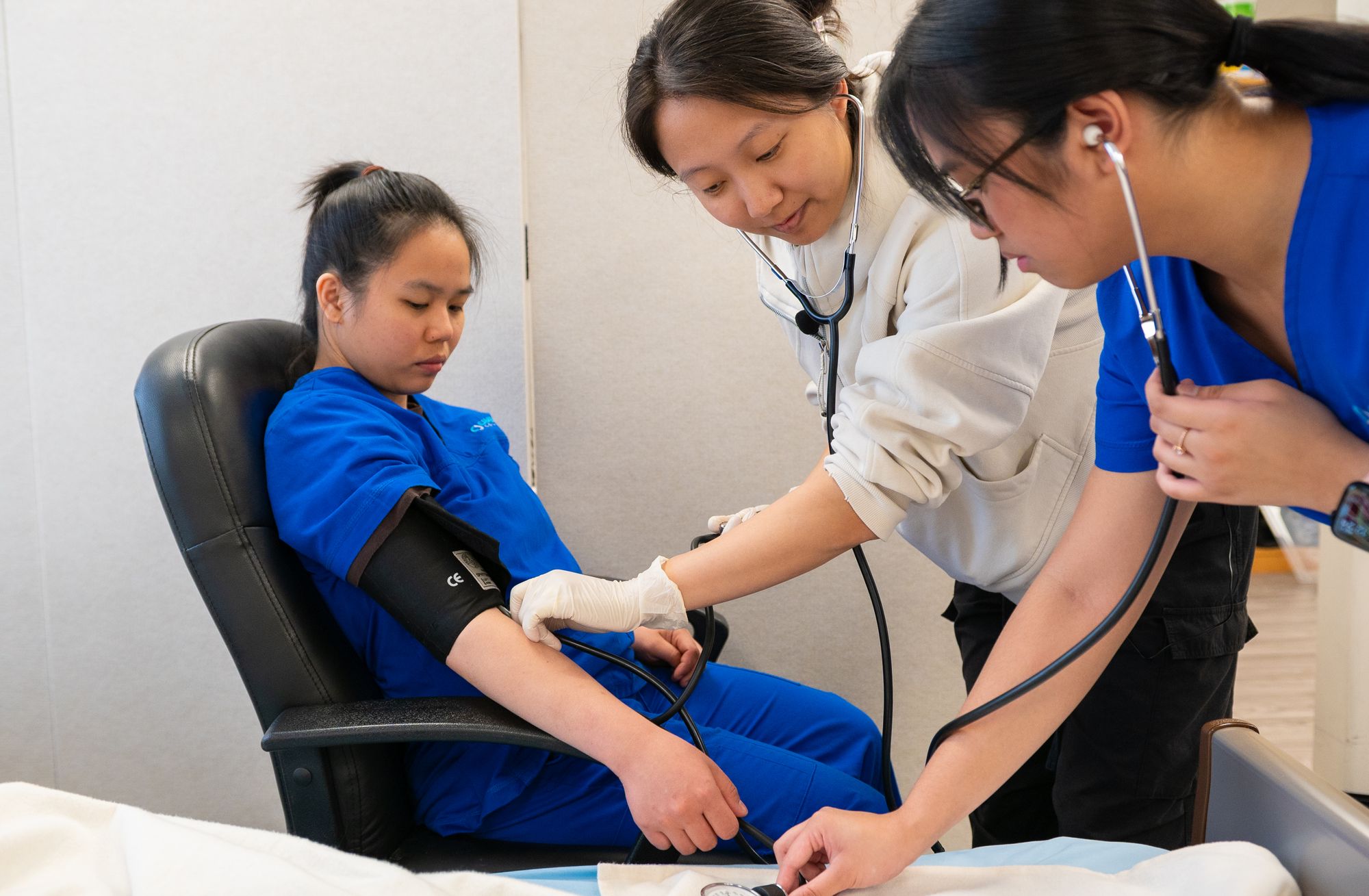
- When the nurse arrives, they check your blood pressure and heart rate before anything else.
- They use sterile, single-use equipment and place a small cannula, usually in your arm or the back of your hand.
- The drip runs for 30 to 60 minutes. The nurse stays with you the whole time.
- They remove the cannula, check you are comfortable and take all waste away with them.
Medicines such as anti-nausea medicine or pain relief are given only if the nurse’s health check shows they suit you. You can read every step in more detail on our how it works page.
IV drip side effects: what is common
Most people notice very little. These are the side effects that come up most often, and they are usually mild:

- Bruising or soreness where the cannula went in. A small bruise can last a few days.
- Feeling cold as the fluid runs, especially in an air-conditioned room. A blanket helps.
- A sore or irritated vein, which can feel tender or look a little red along its path.
- Needing the toilet partway through, which is normal with a litre of fluid.
Tell the nurse straight away if the area around the cannula stings, swells or feels tight. They can slow the drip, move the cannula or stop. Afterwards, keep the spot clean and dry for the rest of the day.
Rarer risks you should know about
Serious problems are uncommon when the basics above are in place, but they do happen, and an honest provider will tell you about them:
- Infection at the cannula site, or more rarely in the blood. Sterile, single-use equipment and clean hands are the main protection. Redness that spreads, warmth, pus or a fever in the days after a drip need a doctor.
- An allergic reaction to an ingredient. Signs include an itchy rash, swelling of the lips or face, or trouble breathing. This is why the nurse asks about allergies and watches you throughout.
- Fluid overload, where the body can’t handle the extra fluid. This is a particular concern for people with heart or kidney problems, and it can cause breathlessness or swelling.
- Fluid leaking into the skin around the vein, which causes puffiness and discomfort and means the cannula needs to come out.
These risks are one reason a drip should never be given by someone without medical training, or left running without anyone watching.
Who should not have an IV drip without a doctor’s advice
A drip isn’t right for everyone. Tell us when you book if any of these apply to you; the nurse may refer you to a doctor:

- Pregnancy or breastfeeding. Tell us; we may refer you to a doctor.
- Heart or kidney disease, including heart failure, or if you have been told to limit your fluids.
- Under 18.
- Still very drunk or high. The nurse will wait until it is safe, or refer you.
Also mention any allergies, regular medicines and recent illness. It only takes a minute, and it helps the nurse decide what is safe for you.
Is an IV drip safe in Thailand? A checklist for any provider
IV drip services are easy to find in Thailand’s tourist areas, and quality varies. Whoever you book, these are the questions worth asking. A good provider will be happy to answer them.

- Who will give the drip? It should be a licensed nurse or a doctor. Feel free to ask about their qualifications.
- Do they ask health questions first? A provider who starts without asking about your health, allergies and medicines is skipping an important step.
- Is the kit sealed and single-use? Needles, cannulas, tubing and fluid bags should come out of sealed packs in front of you, and should never be reused.
- Are the products medicine-grade? Fluids, vitamins and medicines should be registered for injection, not supplements or cosmetic products.
- Will they stay with you? Someone qualified should stay for the whole drip and remove the cannula themselves.
- Do they explain the ingredients and the price up front? You should know what is going into the drip, and what it will cost, before it starts.
- Will they say no? A safe provider turns people away, or refers them to a doctor, when a drip isn’t right.
Be wary of skin-whitening drips. Look carefully at any drip sold mainly on promises about your skin, and at any provider who can’t tell you clearly what a product is and how it is registered.
If a provider can’t answer these questions, or the answers feel vague, it is fine to say no and look elsewhere. You can also read our FAQ for the questions people ask us most.
When an IV drip can genuinely help
A drip rehydrates you faster than drinking when you can’t keep fluids down, for example after a bad stomach, a heavy night or a long day in the heat. Many people feel better within a few hours. Evidence for the vitamins in drips is limited, so we don’t oversell them. Our honest look at whether hangover IV drips work goes into this in more detail.

If you are unsure whether a drip is right for you, message us. We would rather talk it through and tell you to see a doctor than give you a drip you don’t need.
When to go to hospital instead
- Chest pain or trouble breathing
- Swelling of the lips, face or throat, or a spreading rash, during or after a drip
- Confusion, or someone who is hard to wake
- A seizure or a severe head injury
- Vomiting blood or blood in your stool
- A high fever, including in the days after a drip
- You can’t keep any fluids down for 24 hours
- Suspected drink spiking or alcohol poisoning
In an emergency in Thailand, call 1669.
An IV drip should feel calm and well managed from start to finish. To see what we offer, and what is in each drip, visit our treatments and prices page.
Keep reading
You might also need
How it works
Every step of a visit, from your first message to the nurse leaving.
FAQ
Answers to the questions people ask us most.
Treatments and prices
All six drips, what’s in them and what they cost.
Questions
Frequently asked questions
Is IV therapy safe?
Generally yes, when a qualified nurse or doctor gives it after a health check, using sterile single-use equipment and properly registered products. It is still a medical procedure, so it is not risk-free, and it is not right for everyone.
What are the most common IV drip side effects?
Mild bruising or soreness where the cannula went in, feeling a little cold as the fluid runs, and sometimes a sore or irritated vein. These usually settle on their own within a day or two.
Can I have an IV drip if I am pregnant or breastfeeding?
Tell us when you book. We may refer you to a doctor instead, so that someone who can look at your full situation decides what is safe for you and your baby.
Can I have a drip if I am still drunk?
Not straight away. If you are still very drunk or high, the nurse will wait until you are safe to treat, or refer you to a doctor or hospital.
Do hangover IV drips actually work?
Fluids help you rehydrate faster when you can’t keep drinks down, and many people feel better within a few hours. Evidence for the vitamins is limited. Read more in do hangover IV drips work.
Feeling rough? We’ll come to you.
Send us your location and we’ll have a nurse on the way.