
Travel health guide · Koh Phangan
Food Poisoning in Thailand: What to Do on Koh Phangan
A plain-English guide for a bad stomach on Koh Phangan: rehydrate, rest, eat gently, and know the signs that mean you need a doctor.
If you have food poisoning in Thailand, what to do first is simple: sip small amounts of oral rehydration salts often, rest somewhere cool, and keep an eye out for warning signs. Most mild cases settle on their own within a day or two, but losing fluid in tropical heat can drain you faster than you expect.
This guide is written for travellers on Koh Phangan. It covers the usual symptoms, how long a bad stomach tends to last, what to buy at 7-Eleven and the pharmacy, what to eat, and the signs that mean you need a hospital rather than a rest day.
Food poisoning in Thailand: what to do in the first few hours
- Stop eating for a little while. Give your stomach a break for a few hours, but keep drinking.
- Start oral rehydration salts. Small sips every few minutes stay down better than big gulps.
- Get out of the heat. Lie down in a room with a fan or air conditioning. Skip the beach, the sun and the scooter.
- Skip alcohol and strong coffee. Both make it harder to hold on to fluids.
- Tell someone. Let a friend or your accommodation know you are unwell, so someone can check on you.
Then watch how you are doing over the next few hours. If you can keep sips down and you are passing urine, you can usually ride it out. If everything comes straight back up, read the red flags further down.
Food poisoning symptoms: what is typical
Food poisoning usually starts with a queasy, unsettled feeling and then moves quickly. Common symptoms include:
- Nausea and vomiting
- Watery diarrhoea
- Stomach cramps and bloating
- A mild temperature, chills or aching
- Tiredness, weakness and a headache
Signs that you are getting dehydrated matter more than the stomach symptoms themselves. Look out for a very dry mouth, dark or very little urine, dizziness when you stand up and feeling unusually weak. In the island heat, these can build within a single day.
How long does food poisoning last in Thailand?
For most people, the worst of it passes within 24 to 48 hours. Vomiting often eases first, and loose stools and tiredness can hang on for a few more days. Your appetite may take a while to come back, and that is normal.
If you are not improving after two or three days, if symptoms are getting worse instead of better, or if diarrhoea lasts longer than about a week, see a doctor. The same applies sooner if you have a high fever or blood in your stool.
What to buy at 7-Eleven and the pharmacy
There is a 7-Eleven or a pharmacy close to most places you might stay on Koh Phangan, so a friend can usually pick these up for you:
- Oral rehydration salts (ORS) from a pharmacy. These are sachets you mix with clean bottled water. They replace salts as well as water, which plain water can’t do. Follow the mixing instructions on the packet exactly.
- Electrolyte drinks from 7-Eleven. Handy if you can’t get to a pharmacy, though many are sweeter than ORS. Sip them slowly.
- Plenty of bottled water, so you never run out in the night.
- Plain crackers, bananas or plain rice snacks for when you feel ready to eat.
For more on what the shelves stock, our hangover cure Thailand 7-Eleven guide covers many of the same rehydration products.
Food poisoning medicine in Thailand: what to ask the pharmacist
A pharmacist can advise on stomach upsets without an appointment. Rather than asking for a specific product you have seen online, describe your symptoms and let them advise. Useful questions to ask:
- Is this suitable for my symptoms, and how long should I take it?
- Is it safe with the medicines I already take, or with my health conditions?
- Is it suitable if I have a fever or blood in my stool?
- Is it safe if I am pregnant or breastfeeding?
- Do I need to see a doctor instead?
Tell the pharmacist about any allergies. Be cautious about stopping diarrhoea completely if you have a fever or blood in your stool, and don’t take antibiotics unless a doctor or pharmacist has told you they are needed.
What to eat when you have food poisoning
Fluids come first. Once you can keep them down and feel a little hungry, start small and plain. Good options on the island include:
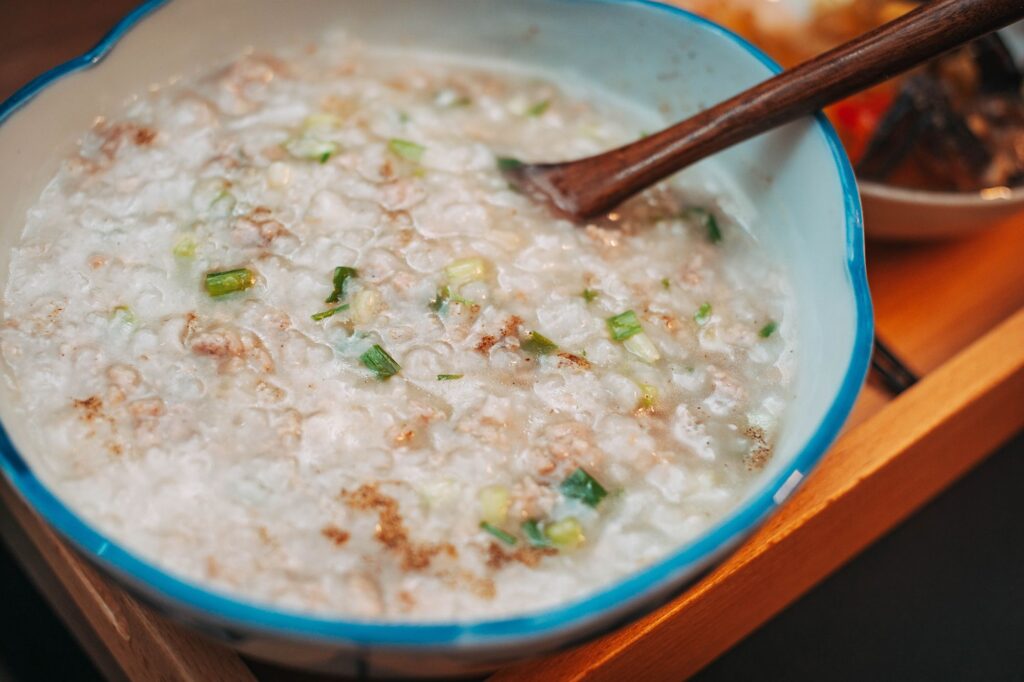
- Rice soup or plain rice porridge, which most Thai kitchens can make
- Plain steamed rice, toast or crackers
- Bananas
- Clear broth
For a few days, avoid spicy curries, fried food, rich creamy dishes, raw salads, dairy and alcohol. When you order, asking for food that is not spicy helps. Go back to your normal diet slowly as your stomach settles.
Is the tap water and ice safe on Koh Phangan?
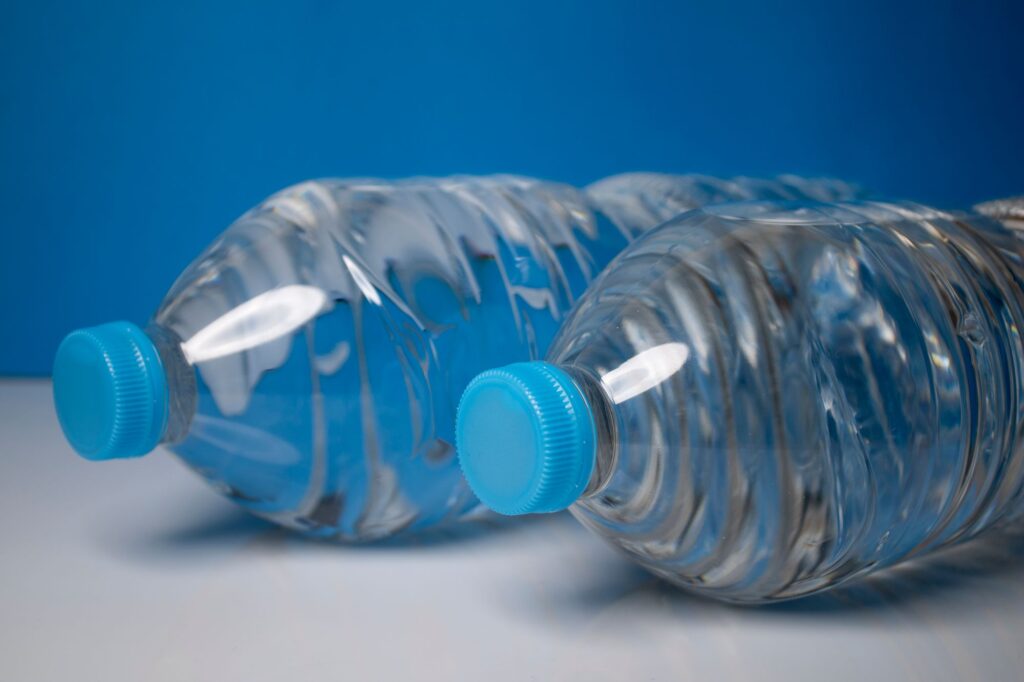
Don’t drink the tap water. Use sealed bottled water or refill stations for drinking, and for mixing rehydration salts. Most people brush their teeth with tap water without problems, but bottled water is the safer choice while your stomach is upset.
Ice is a common worry. The cylinder-shaped ice with a hole through the middle is made in factories and is generally considered fine. Crushed or block ice of unknown origin is harder to judge, so when you are unwell or unsure, it is simplest to skip the ice altogether.
Red flags: when it is more than a bad stomach
Most food poisoning gets better with rest and fluids. Some signs mean you need a doctor or hospital, not a drip at your villa. These are listed in the box below, and our guide to hospitals and medical help on Koh Phangan explains where to go. Take them seriously, especially if you are travelling alone, are older, or have a long-term health condition.
Children, older travellers and anyone with heart, kidney or bowel problems can get dehydrated faster, so seek medical advice earlier for them.
When a rehydration drip helps
Sometimes you are not ill enough for hospital, but you can’t keep enough fluid down to catch up. Every sip comes back, you feel weak and dizzy, and the heat makes it worse. This is where a drip helps most: it puts fluid straight into your bloodstream, so you rehydrate faster than you can by drinking.
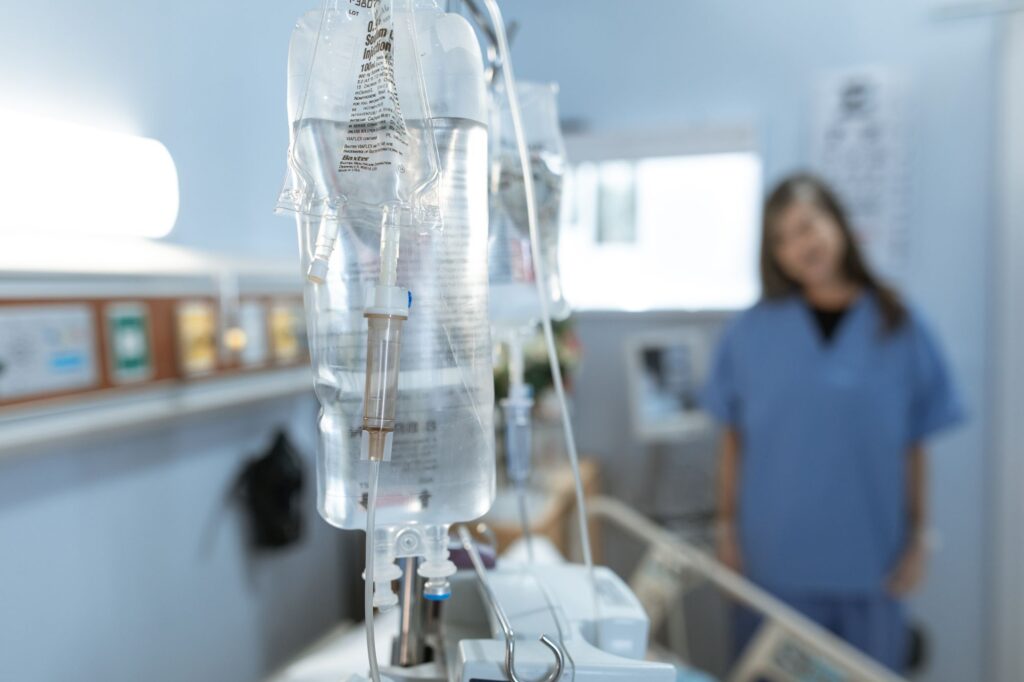
Our food poisoning IV drip, called Traveller’s Tummy, costs from ฿3,900 and takes about 60 minutes. It contains 1L electrolyte fluids, anti-nausea medicine and stomach protection. Medicines are given only if the nurse’s health check shows they suit you. If you mainly feel drained from heat and too little water, the lighter hydration IV drip may be enough.
A licensed nurse comes to your hotel, villa, bungalow or condo, usually in about 45 minutes, anywhere from 30 to 60 depending on where you are. They check your blood pressure and heart rate, stay with you the whole time and take all waste away. Many people feel better within a few hours, though a drip does not treat the cause of the infection.
If you are pregnant or breastfeeding, under 18, or have heart or kidney disease, tell us when you book; the nurse may refer you to a doctor.
When to go to hospital instead
- Vomiting blood, or blood in your stool
- A high fever
- You can’t keep any fluids down for 24 hours
- Confusion, or someone who is hard to wake
- Chest pain or trouble breathing
- A seizure or a severe head injury
- Suspected drink spiking or alcohol poisoning
In an emergency in Thailand, call 1669.
How to lower the risk next time
You can’t avoid every bad meal, but a few habits help. Choose busy stalls and restaurants where food is cooked fresh in front of you. Be wary of seafood and buffets that have been sitting out in the heat. Wash your hands or use hand gel before eating, and peel fruit yourself.
We work every day from 8:00 to 22:00. If you are unsure whether a drip suits you, contact us with your location and how you feel, and we will tell you honestly whether to book or to see a doctor.
Keep reading
You might also need
Food poisoning IV drip
The Traveller’s Tummy drip: what’s in it, price and timing.
Hydration IV drip
A lighter drip for heat, sun and too little water.
Contact us
Message us with your location and how you feel.
Questions
Frequently asked questions
How long does food poisoning last in Thailand?
Most mild cases ease within 24 to 48 hours, although tiredness and loose stools can last a few more days. If you are not improving after two or three days, or symptoms get worse, see a doctor.
What should I buy at 7-Eleven for food poisoning?
Bottled water, electrolyte drinks and plain snacks such as crackers or bananas. Oral rehydration salts from a pharmacy are better still, because they are made to replace the salts you lose.
What medicine should I take for food poisoning in Thailand?
Describe your symptoms to a pharmacist and let them advise. Tell them about any fever, blood in your stool, allergies, other medicines and pregnancy, and ask whether you should see a doctor instead.
Is the ice safe to drink in Thailand?
Cylinder ice with a hole in the middle comes from factories and is generally considered fine. If you are unwell or unsure where the ice came from, it is simplest to skip it.
Can an IV drip help with food poisoning?
If you can’t keep fluids down, a drip helps you rehydrate faster than drinking, and many people feel better within a few hours. It does not treat the infection itself. See our food poisoning IV drip page for details.
Feeling rough? We’ll come to you.
Send us your location and we’ll have a nurse on the way.