

Guide · Travel insurance
Does Travel Insurance Cover an IV Drip in Thailand?
Does travel insurance cover an IV drip? Sometimes. It depends on your policy and on whether the drip was medically needed, such as for dehydration from food poisoning, or was for wellness or a hangover.
Does travel insurance cover an IV drip? Sometimes, but there’s no single answer: it depends on your policy and on why you needed the drip. A drip for dehydration from food poisoning or a stomach bug has a much better chance of being covered than one for a hangover, energy or skin.
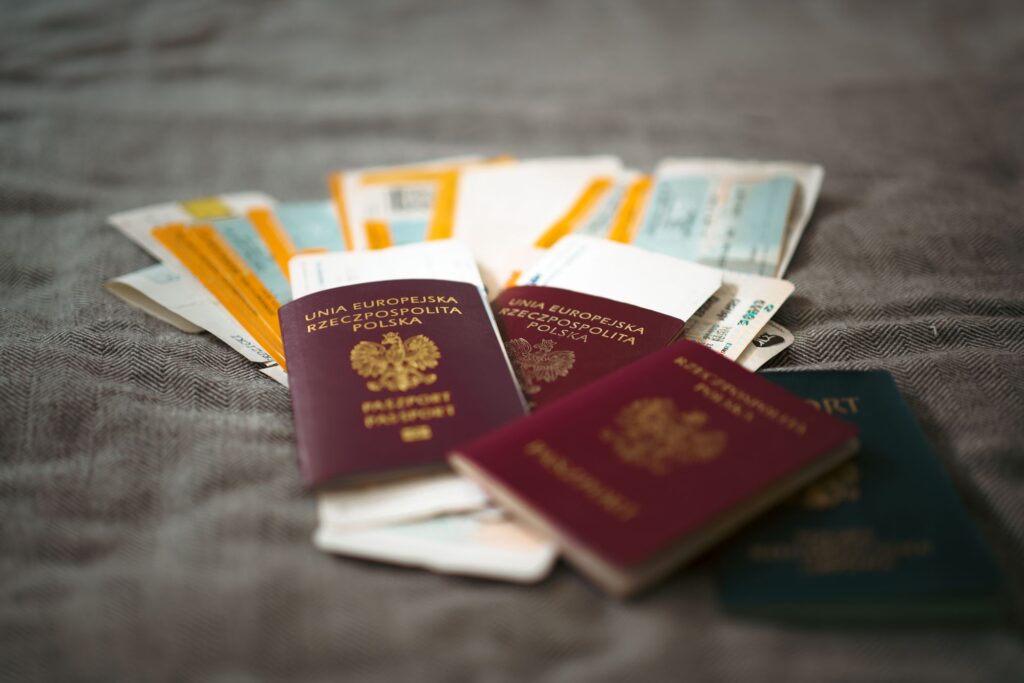
This guide explains how insurers tend to look at IV drips, what paperwork they usually ask for and how to give your claim the best chance. We can’t tell you what your own policy will pay. Only your insurer can do that.
Does travel insurance cover an IV drip? The short answer
| Reason for the drip | Likely to be covered? |
|---|---|
| Dehydration from food poisoning, vomiting or diarrhoea | Possibly, if your policy covers medical treatment and you follow its rules |
| Heat exhaustion or illness while travelling | Possibly, under the same conditions |
| Hangover or recovery after drinking | Usually not; alcohol exclusions are common |
| Vitamin, energy, immune or glow drips | Usually not; these are wellness choices |
Treat this table as a general guide only. Policies differ a lot, even between plans from the same company.
Why the reason for the drip matters
Travel insurance is built to pay for unexpected illness or injury. Insurers look at whether treatment was medically necessary. If you’d been vomiting for hours and couldn’t keep water down, a rehydration drip is easier to describe as necessary care.

A drip you chose because you felt tired, or to look and feel fresher, is usually classed as elective or wellness treatment. Most policies don’t cover that, in the same way they wouldn’t cover a massage.
Alcohol exclusions are common
Many policies exclude or limit claims for anything caused by, or linked to, drinking. That means a hangover drip is rarely covered, and even a genuine illness can be questioned if alcohol played a part. Read the exclusions section of your policy before you assume either way.
What insurers commonly ask for
Every insurer has its own forms, but most claims for treatment abroad need some or all of these:
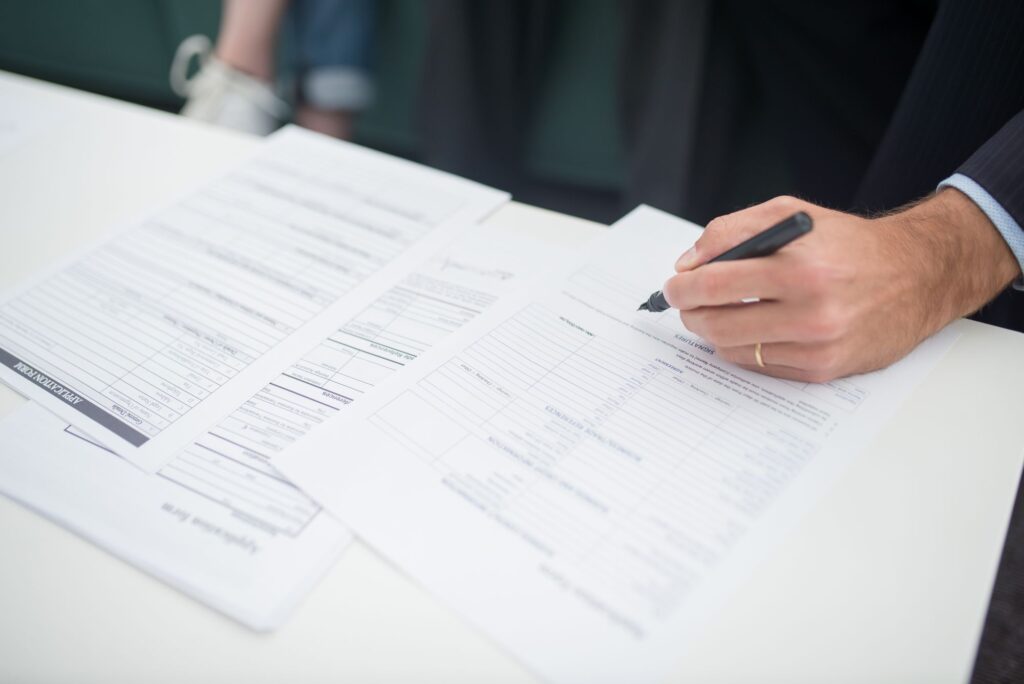
- Your policy number and claim form
- An itemised receipt showing the date, what you were given and what you paid
- Notes on your symptoms and the reason for treatment, for example vomiting and dehydration
- Proof of payment, such as a card statement or bank transfer record
- Sometimes a doctor’s report or diagnosis, especially for larger claims
We can give you a receipt for your drip. Tell us when you book that you plan to claim, and if your insurer also wants notes on your symptoms, ask us what we can provide. Our service is nurse-led and mobile, not a hospital or doctor’s clinic, so if your insurer insists on a doctor’s diagnosis you may need to see a doctor as well.
How to claim for an IV drip on travel insurance
- Check your policy first. Look for the medical expenses section, any excess you pay yourself, and the alcohol and elective-treatment exclusions.
- Call your insurer’s assistance line if your policy asks you to. Some policies say you must get approval before treatment, except in an emergency. Skipping this can put the claim at risk.
- Book and pay. You pay us on the day by cash (THB), Thai bank transfer or PromptPay, or card.
- Ask for your paperwork. Get an itemised receipt and keep proof of payment. Write down your symptoms and when they started while you still remember.
- Submit your claim promptly. Most insurers have a time limit for claims. Use their online form or app and attach clear photos of every document.
Keep copies of everything. If the insurer asks for more information, answer quickly and keep a note of who you spoke to and when.

Is it worth claiming for a drip?
Check your excess before you start. If your policy has an excess close to the price of a drip, a claim may not be worth the paperwork. Our drips start from ฿2,900 for the Hydration Boost and ฿3,900 for the Traveller’s Tummy, including the nurse’s visit and all equipment.

Some travellers also have health cover through work or a credit card. Those plans have their own rules, so check them too.
When a rehydration drip may help
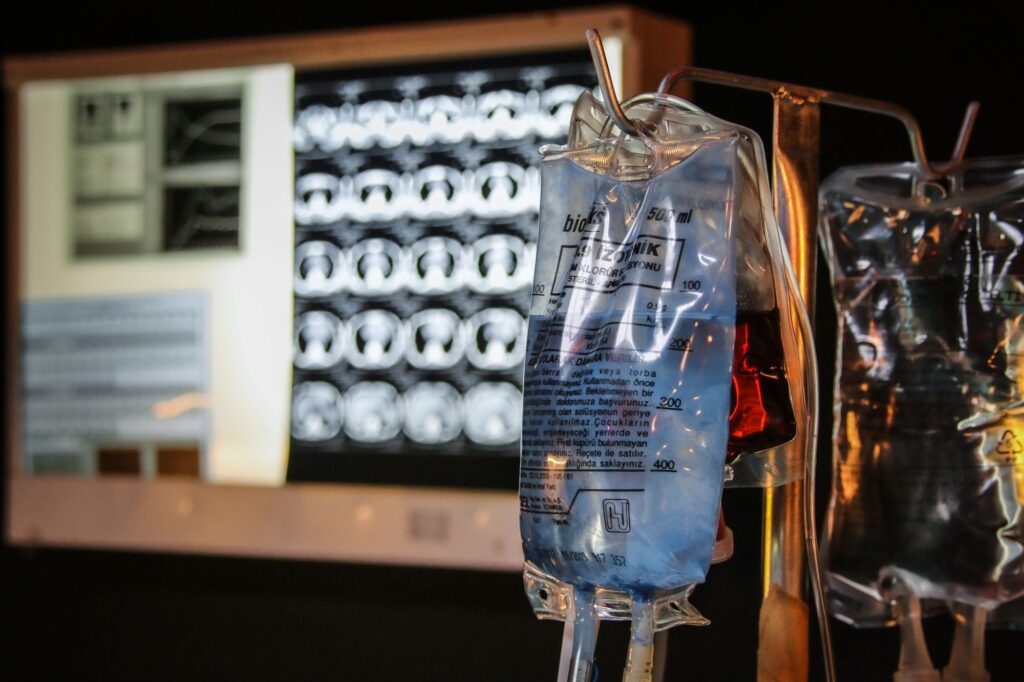
If a stomach bug has left you unable to keep fluids down, our food poisoning IV drip brings fluids, anti-nausea medicine and stomach protection to your room, given if the nurse’s health check shows they’re suitable. A licensed nurse usually arrives in about 45 minutes, any day from 8:00 to 22:00.
Our guide to food poisoning in Thailand and what to do covers home care, what to eat and the warning signs to watch for.
When to go to hospital instead
- Chest pain or trouble breathing
- Confusion, or someone who can’t be woken or won’t respond
- A seizure (fit)
- Vomiting blood, or blood in your stool
- A high fever
- A severe head injury
- You can’t keep any fluids down for 24 hours
- Suspected drink spiking or alcohol poisoning
In an emergency in Thailand, call 1669.
In a real emergency, don’t stop to think about insurance. Get help first and sort out the paperwork later. Most insurers have a 24-hour assistance line, and it’s worth saving that number in your phone before you travel.
Before you book
Insurance rules are complicated, and we can’t promise any insurer will pay. What we can do is give you clear paperwork and an honest description of the care you received. If you have questions about receipts or payment, see our IV drip FAQ or contact us before you book.
Keep reading
You might also need
Food poisoning IV drip
Rehydration when a stomach bug won’t let you keep fluids down.
Food poisoning on Koh Phangan
What to do, what to eat and when to get help.
IV drip FAQ
Payment, safety, timing and what to expect.
Questions
Frequently asked questions
Does travel insurance cover a hangover IV drip?
Usually not. Many policies exclude claims linked to alcohol, and a drip booked to feel better after drinking is normally seen as a wellness choice rather than medical treatment. Check your own policy wording.
Will my insurer pay you directly?
Don’t assume so. Payment is taken when you book or on the day, by cash, Thai bank transfer or PromptPay, or card, and you then claim the money back from your insurer if your policy allows it.
Can you give me a receipt for my insurance claim?
Yes. We can give you a receipt for your drip. If your insurer also wants notes about your symptoms, ask when you book what we can provide. See our FAQ for more on payment and paperwork.
Should I call my insurer before booking a drip?
If your policy says you must contact its emergency assistance line before getting treatment, do that first. Some insurers refuse or reduce claims when this step is skipped, except in a genuine emergency.
Is a vitamin or glow drip covered by travel insurance?
Almost certainly not. Wellness, beauty and energy drips are elective, and travel policies are designed to cover unexpected illness and injury, not optional treatments.
Feeling rough? We’ll come to you.
Send us your location and we’ll have a nurse on the way.