
Travel health guide · Heat and hydration
Dehydration in Thailand: Signs, What to Drink, When to Get Help
Heat, sun, alcohol and stomach bugs make dehydration in Thailand easy to slip into. Here is how to spot it, what to drink and when to get help.
Dehydration in Thailand is common, and it can creep up on you faster than at home. Heat, humidity, sun, alcohol and stomach bugs all drain your fluids, and most mild cases improve with oral rehydration salts, shade and rest.
This guide covers why it happens, the signs to look out for, what to drink, and the point at which you need more help, from a drip to an ambulance.
Why dehydration in Thailand happens so easily
You lose more fluid in the tropics than you might expect, often without noticing. The usual causes are:
- Heat and humidity. You sweat all day, even sitting still, and the humid air makes it harder to cool down.
- Sun. Long beach days, boat trips and scooter rides with no shade add up.
- Alcohol. It makes you pass more urine, and a late night often means a hot morning with too little water.
- Stomach bugs. Vomiting and diarrhoea empty your fluids and salts quickly. See our guide to food poisoning in Thailand.
- Exercise. Muay Thai, gym sessions, hot yoga and running in the heat can mean heavy sweating in a short time.
Often it is a mix: a hot day, a few drinks in the evening, and a slightly upset stomach the next morning.
Signs of dehydration, from mild to severe
| How bad | What you may notice |
|---|---|
| Mild | Thirst, dry mouth, darker urine, a mild headache, feeling tired |
| Moderate | Very little urine, dizziness when you stand, a fast heartbeat, muscle cramps, feeling weak or irritable |
| Severe | Confusion, fainting, no urine for many hours, being unable to keep any fluids down |
A simple check is the colour of your urine. Pale straw is fine. Dark yellow means drink more. Severe dehydration needs medical help, not just a bottle of water.
What to drink for dehydration in Thailand
You don’t need anything special for mild dehydration, but what you drink makes a difference:
- Oral rehydration salts (ORS) from any pharmacy. These sachets replace salts as well as water, which plain water can’t do. Mix them with clean bottled water exactly as the packet says, and sip.
- Electrolyte drinks from 7-Eleven and other shops. Handy and easy to find, though many are sweet, so sip them alongside water.
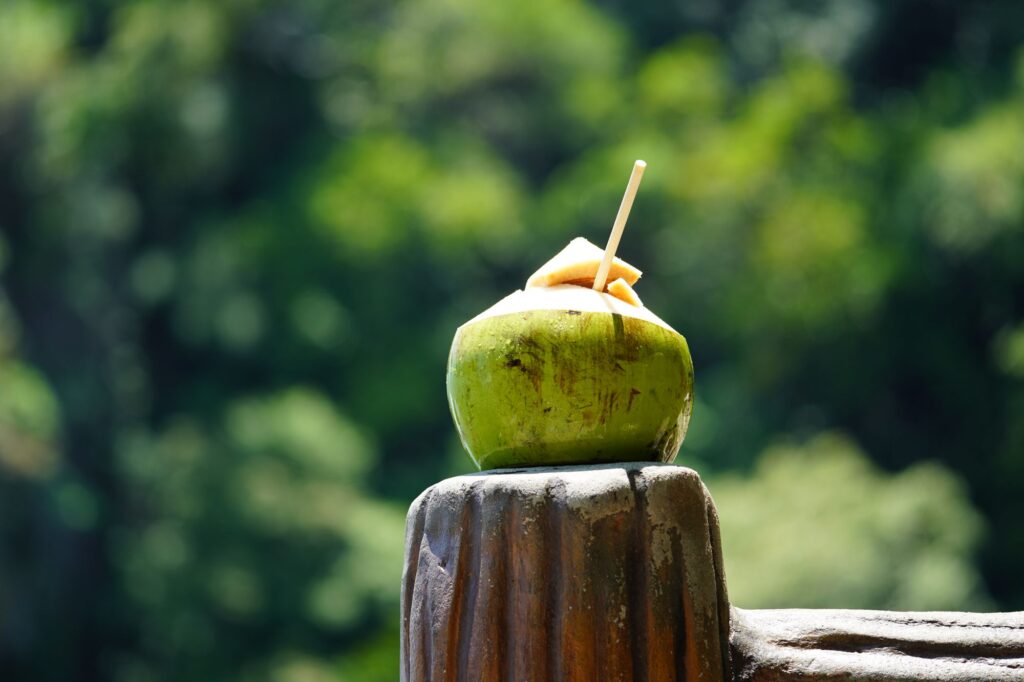
- Fresh coconut water. A pleasant way to top up fluids on a beach day, though it isn’t a full replacement for ORS when you are unwell.
- Plenty of bottled or filtered water, little and often through the day.
Go easy on alcohol, strong coffee and very sugary drinks while you recover. For the morning after a night out, our hangover cure Thailand guide covers what is on the shelves.
What is the best dehydration medicine in Thailand?
The main dehydration medicine is oral rehydration salts. Pharmacies on Koh Phangan sell them, and you can usually buy them without a prescription. If you also have vomiting, diarrhoea or a fever, describe your symptoms to the pharmacist and ask whether you should see a doctor.
Can you drink tap water in Thailand?
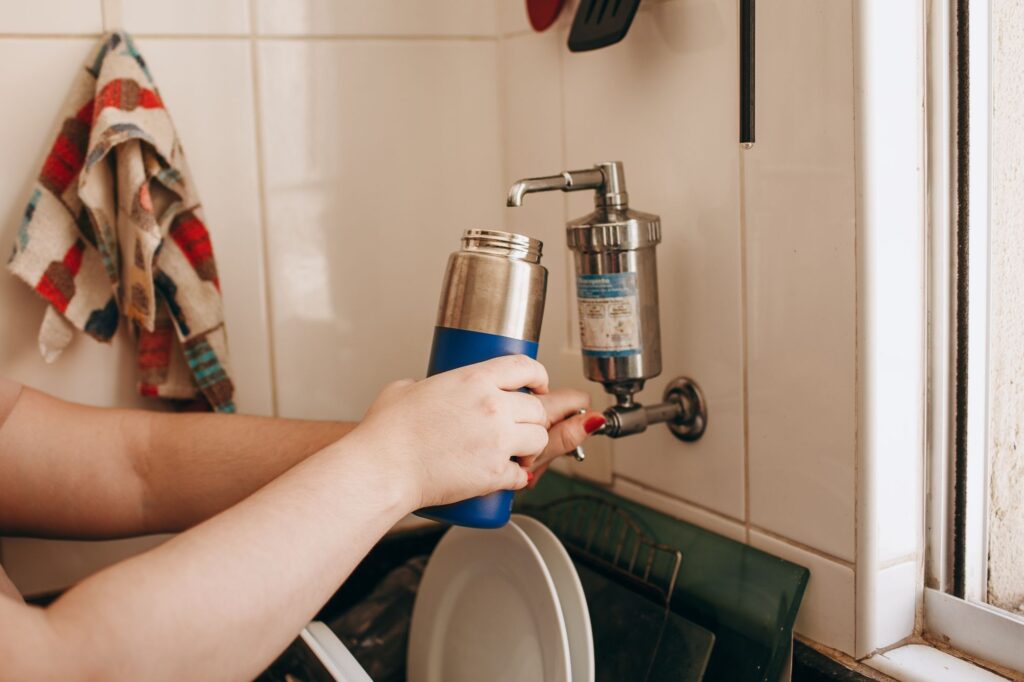
It is best not to drink tap water in Thailand. Stick to bottled or filtered water for drinking, and use it to mix your oral rehydration salts. Many places to stay have refill stations or give you bottled water, which also cuts down on plastic.
Heat exhaustion vs heat stroke
Heat exhaustion happens when your body is struggling to cope with heat and fluid loss. You may feel faint, sweaty, sick, very tired and have a headache or cramps. Move somewhere cool, lie down, loosen clothing, sip ORS or water and cool your skin with water and a fan. If you are not improving after resting and cooling down, or you feel worse, get medical help.
Heat stroke is an emergency. Signs include confusion, slurred speech, a very high temperature, hot skin that may stop sweating, fainting or a seizure. Call 1669 straight away, move the person into shade and cool them with water and fanning while you wait. Don’t give drinks to someone who is confused or drowsy.
How to prevent dehydration in the hot season
Thailand’s hot season runs roughly from March to May, and it is when we see the most heat-related tiredness. A few habits help all year:
- Drink water regularly, before you feel thirsty, and carry a bottle.
- Plan beach walks, hikes and training for early morning or late afternoon.
- Wear a hat, sunscreen and loose, light clothing, and take breaks in the shade.
- Add oral rehydration salts or an electrolyte drink after heavy sweating.
- Alternate alcoholic drinks with water, and eat before a night out.
- Ease into exercise in the heat for your first few days.
When a hydration drip can help
Most mild dehydration settles with drinks and rest. A drip makes sense when you can’t keep fluids down, or when you are drained and not improving after drinking. It rehydrates you faster than drinking, and many people feel better within a few hours.
Our hydration IV drip, called Hydration Boost, costs from ฿2,900 and takes 30 to 45 minutes. It contains 1L balanced electrolytes, magnesium and vitamin C. A licensed nurse comes to your accommodation, usually in about 45 minutes, checks your blood pressure and heart rate, and stays with you throughout.
If you are pregnant or breastfeeding, under 18, or have heart or kidney disease, tell us when you book; the nurse may refer you to a doctor.
When to go to hospital instead
- Signs of heat stroke: confusion, a very high temperature, fainting or a seizure
- Chest pain or trouble breathing
- Someone who is hard to wake
- No urine for many hours, or you can’t keep any fluids down for 24 hours
- Vomiting blood or blood in your stool, or a high fever
- A severe head injury
- Suspected drink spiking or alcohol poisoning
In an emergency in Thailand, call 1669.
Look after your fluids and Thailand’s heat is much easier to enjoy. If a stomach bug is behind it, a food poisoning IV drip may suit you better; otherwise, message us and we will help you choose.
Keep reading
You might also need
Hydration IV drip
The Hydration Boost drip: what’s in it, price and timing.
Food poisoning in Thailand
What to do when a bad stomach is draining your fluids.
Hangover cure Thailand
What actually helps the morning after, from 7-Eleven to a drip.
Questions
Frequently asked questions
What is the best dehydration medicine in Thailand?
Oral rehydration salts, sold as sachets at pharmacies. You mix them with clean bottled water, exactly as the packet says, and sip them through the day. Ask the pharmacist if you are unsure which to buy.
What is the best dehydration drink in Thailand?
Oral rehydration salts in bottled water are best. Electrolyte drinks from 7-Eleven and fresh coconut water also help, alongside plenty of plain water.
Can I drink tap water in Thailand?
It is best not to. Drink bottled or filtered water, and use it to mix oral rehydration salts. Many places to stay have refill stations or provide bottled water.
When is the hot season in Thailand?
Roughly March to May, when heat and humidity are at their highest. Dehydration and heat exhaustion are more common then, so drink more and avoid the midday sun.
Feeling rough? We’ll come to you.
Send us your location and we’ll have a nurse on the way.